Quick Answer: How Is Hair Loss Diagnosed?
A Diagnosis of Hair Loss is a detailed medical assessment that identifies the underlying cause of excessive hair loss, thinning hair, or baldness. During a professional Hair Loss Diagnosis, specialists review your medical history, examine your scalp, assess your hair growth pattern, and perform diagnostic tests when necessary. The results help determine the most effective treatment for hair loss, whether it involves medication, scalp hair treatment, regenerative therapies, or FUE Hair Transplant Malaysia.
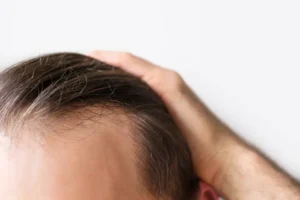
Hair loss is one of the most common concerns affecting both men and women in Malaysia. While it is normal to lose between 50 and 100 hairs each day as part of the natural hair growth cycle, excessive hair loss, noticeable hair loss thinning, or a receding hairline may signal an underlying condition that requires professional attention. Ignoring these early signs can lead to further hair loss and make treatment more challenging.
The first step toward restoring healthy hair is a professional Diagnosis of Hair Loss. Rather than relying on guesswork or over-the-counter products, a comprehensive Hair Loss Diagnosis identifies the root cause of your condition and helps specialists recommend the most suitable hair loss treatment. Whether your hair loss is caused by genetics, hormonal changes, stress, nutritional deficiencies, or hair loss alopecia, receiving an accurate diagnosis improves the chances of successful treatment.
Today, Malaysia offers advanced diagnostic technologies and personalised hair restoration solutions, making it easier than ever to understand the cause of your hair loss and choose the right treatment. From scalp hair treatment to regenerative therapies and FUE Hair Transplant Malaysia, there are effective options available based on your individual needs.
In this guide, you’ll learn how Diagnosis of Hair Loss works, the early signs to watch for, common causes of hair loss, and the treatment options available to help restore healthier, fuller-looking hair.
Quick Facts About Hair Loss Diagnosis
- A professional Hair Loss Diagnosis identifies the exact cause of hair loss before treatment begins.
- Early diagnosis improves the effectiveness of hair loss treatment and helps prevent further hair loss thinning.
- Specialists may use scalp analysis, hair pull tests, digital imaging, and blood tests to diagnose different types of hair loss alopecia.
- Treatment plans are personalised based on your scalp condition, hair density, and overall health.
- Early intervention increases the success rate of both non-surgical treatments and FUE Hair Transplant Malaysia.
Understanding the Diagnosis of Hair Loss
A Diagnosis of Hair Loss is a comprehensive evaluation performed to determine why you’re experiencing excessive hair loss, thinning hair, or bald patches. Since hair loss can have many different causes, an accurate diagnosis is essential before starting any hair loss treatment or baldness treatment.
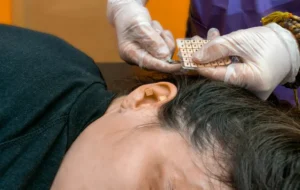
During the consultation, a hair restoration specialist reviews your medical history, family history, medications, diet, lifestyle, stress levels, and overall health. Your scalp and hair follicles are then carefully examined to identify the pattern and severity of hair loss. If needed, additional tests such as blood investigations or digital scalp imaging may be recommended.
A professional Hair Loss Diagnosis helps distinguish between temporary hair shedding and permanent conditions such as androgenetic alopecia, ensuring you receive the most appropriate treatment for long-term results.
Why Is a Hair Loss Diagnosis Important?
Many people begin using hair oils, supplements, or shampoos without understanding the real cause of their hair loss. While these products may improve the appearance of the hair temporarily, they often fail to address the underlying condition.
A professional Diagnosis of Hair Loss provides a clear understanding of what is causing your hair loss and allows specialists to recommend a personalised treatment for hair loss. Early diagnosis also helps preserve healthy hair follicles before irreversible damage occurs.
Some of the key benefits include:
- Identifying the exact cause of hair loss
- Preventing further hair loss thinning
- Detecting underlying health conditions
- Recommending the most suitable hair loss treatment
- Improving the success of baldness treatment
- Supporting healthier, long-term hair growth
Early Signs That Indicate Hair Loss or Hair Thinning
Recognising the warning signs early gives you a better chance of treating the condition before it progresses.
Excessive Hair Shedding
Finding more hair than usual on your pillow, hairbrush, or shower drain may indicate abnormal hair loss.
Thinning Hair
Reduced hair density on the crown or top of the scalp is often one of the earliest signs of progressive hair loss thinning.
Receding Hairline
A gradually receding hairline is common in men, while women may notice widening along the hair part.
Bald Patches
Patchy hair loss alopecia may appear suddenly and often requires prompt medical evaluation.
Weak or Brittle Hair
Hair that breaks easily may indicate nutritional deficiencies or weakened hair follicles.
Slow Hair Regrowth
If your hair takes longer than usual to regrow after shedding, it may suggest an interruption in the normal hair growth cycle.
If you notice any of these symptoms, seeking a professional Hair Loss Diagnosis can help identify the underlying cause before the condition worsens.
Common Causes of Hair Loss and Alopecia
There are many reasons why hair loss occurs, and identifying the cause is the foundation of successful treatment.
Genetic Hair Loss
Hereditary hair loss, also known as androgenetic alopecia, is the most common cause of permanent hair thinning in both men and women.
Hormonal Changes
Hormonal fluctuations caused by pregnancy, menopause, thyroid disorders, or hormonal imbalances can disrupt the hair growth cycle and lead to increased hair shedding.
Nutritional Deficiencies
Low levels of iron, zinc, protein, vitamin D, or vitamin B12 can weaken hair follicles and contribute to hair loss thinning.
Stress-Related Hair Loss
Physical illness, emotional stress, surgery, or significant lifestyle changes can trigger temporary hair shedding, commonly known as telogen effluvium.
Hair Loss Alopecia and Other Medical Conditions
Autoimmune conditions such as alopecia areata, scalp infections, and chronic illnesses may result in patchy or widespread hair loss if left untreated.
Lifestyle Factors
Smoking, poor nutrition, inadequate sleep, excessive heat styling, and harsh chemical treatments can damage hair follicles and increase the risk of ongoing hair loss.
How Is Hair Loss Diagnosed? A Step-by-Step Process
A professional Hair Loss Diagnosis involves more than simply looking at your scalp. Hair restoration specialists use a combination of medical assessments and diagnostic tools to identify the exact cause of hair loss and recommend the most effective treatment for hair loss.
Medical Consultation and Hair Loss Assessment
Your consultation begins with a discussion about your hair loss history, overall health, lifestyle, and family history. The specialist may ask questions such as:
- When did your hair loss begin?
- Is your hair thinning gradually or suddenly?
- Do you have a family history of baldness?
- Are you taking any medications?
- Have you experienced recent stress, illness, or hormonal changes?
- What is your daily diet and hair care routine?
This information helps identify possible factors contributing to your condition.
Scalp Examination and Hair Follicle Analysis
The specialist carefully examines your scalp to assess:
- Hair density
- Hair shaft thickness
- Hair follicle health
- Scalp condition
- Pattern of hair loss thinning
- Signs of inflammation or infection
This examination provides valuable information about the type and severity of your hair loss.
Hair Pull Test
A hair pull test is a simple assessment used to determine whether excessive hair shedding is occurring. The specialist gently pulls a small section of hair to evaluate how many strands come loose. This helps identify active shedding conditions.
Digital Scalp Analysis
Many clinics in Malaysia use advanced digital scalp imaging or trichoscopy to examine hair follicles under magnification. This technology allows specialists to detect early changes in hair density and scalp health that may not be visible during a routine examination.
Blood Tests
If an underlying medical condition is suspected, blood tests may be recommended to check for:
- Iron deficiency
- Vitamin D deficiency
- Vitamin B12 deficiency
- Zinc levels
- Thyroid function
- Hormonal imbalances
These tests help ensure your hair loss treatment addresses the root cause rather than just the symptoms.
Hair Loss Treatment Options After Diagnosis
Once your Diagnosis of Hair Loss is complete, your specialist will recommend the most suitable hair loss treatment based on the underlying cause, severity of hair loss, and your hair restoration goals.
Medications for Hair Loss Treatment
Prescription medications may help slow further hair loss, strengthen existing hair, and encourage healthier hair growth. These treatments are often recommended for individuals in the early stages of hair thinning.
PRP Therapy for Hair Restoration
Platelet-Rich Plasma (PRP) therapy is a non-surgical treatment that uses your own blood platelets to stimulate hair follicles and improve hair growth. PRP is commonly used for patients experiencing mild to moderate hair loss thinning.
Regenera Activa for Hair Regrowth
Regenera Activa is an advanced regenerative treatment that uses your body’s own regenerative cells to reactivate weakened hair follicles. It is suitable for patients looking for a minimally invasive solution to early-stage hair loss.
Scalp Hair Treatment for Healthier Hair Growth
A professional scalp hair treatment helps improve scalp health by removing impurities, increasing blood circulation, and creating a healthier environment for hair follicles. It is often recommended alongside other hair loss treatment options to enhance overall results.
FUE Hair Transplant Malaysia for Permanent Hair Loss
For individuals experiencing permanent hair loss caused by hereditary baldness, FUE Hair Transplant Malaysia is one of the most effective long-term solutions.
During the procedure, healthy hair follicles are carefully extracted from the donor area and transplanted into thinning or bald areas. Since the transplanted follicles are resistant to hair loss, they continue to grow naturally, providing fuller and long-lasting results.
A professional Hair Loss Diagnosis helps determine whether you are a suitable candidate for FUE Hair Transplant Malaysia.
Who Should Get a Professional Hair Loss Diagnosis?
A professional Hair Loss Diagnosis is recommended for anyone experiencing:
- Excessive daily hair loss
- Noticeable hair loss thinning
- A receding hairline
- Male or female pattern baldness
- Patchy hair loss alopecia
- Hair loss after pregnancy or illness
- Sudden changes in hair density
- Persistent scalp irritation or inflammation
Early diagnosis often leads to better treatment outcomes and helps preserve healthy hair follicles.
Why Early Hair Loss Diagnosis Improves Treatment Results
Seeking professional advice at the first signs of hair loss offers several advantages.
Identifies the Underlying Cause
Understanding why you’re losing hair allows specialists to recommend the most appropriate treatment for hair loss.
Prevents Further Hair Loss
Early intervention can slow or stop the progression of many hair loss conditions.
Improves Treatment Success
Many hair loss treatment options are more effective when hair follicles remain active.
Supports Healthier Hair Growth
A personalised treatment plan helps strengthen existing hair and promote healthier regrowth.
Reduces the Need for Extensive Baldness Treatment
Treating hair loss early may reduce the likelihood of requiring more advanced baldness treatment procedures in the future.
Why Choose HairTransplantSolutions for Hair Loss Diagnosis in Malaysia?
At HairTransplantSolutions Malaysia, we understand that every patient experiences hair loss differently. That’s why we provide comprehensive Hair Loss Diagnosis services using advanced diagnostic technology and personalised treatment planning.
Our team offers:
- Comprehensive Diagnosis of Hair Loss
- Advanced digital scalp analysis
- Personalised hair loss treatment plans
- Professional scalp hair treatment
- Regenerative hair restoration therapies
- Advanced FUE Hair Transplant Malaysia
- Experienced specialists focused on natural, long-lasting results
Our goal is to identify the root cause of your hair loss and provide the most effective solution to restore healthier, fuller-looking hair.
Restore Your Hair with Professional Hair Loss Diagnosis in Malaysia
If you’re experiencing excessive hair loss, thinning hair, or bald patches, don’t wait for the condition to progress. A professional Diagnosis of Hair Loss is the first step toward identifying the cause and choosing the right hair loss treatment.
At HairTransplantSolutions Malaysia, our experienced specialists provide comprehensive Hair Loss Diagnosis, advanced scalp analysis, personalised scalp hair treatment, and modern hair restoration solutions, including FUE Hair Transplant Malaysia. Book your consultation today and take the first step toward restoring healthier, fuller-looking hair with confidence.
Frequently Asked Questions About Hair Loss Diagnosis
1. What is the diagnosis of hair loss?
A Diagnosis of Hair Loss is a professional evaluation that identifies the underlying cause of excessive hair loss and helps determine the most suitable treatment plan.
2. How is hair loss diagnosed?
Specialists diagnose hair loss through medical consultations, scalp examinations, hair pull tests, digital scalp analysis, and blood tests when necessary.
3. Is a Hair Loss Diagnosis necessary before starting treatment?
Yes. A professional Hair Loss Diagnosis ensures that the recommended hair loss treatment addresses the root cause of your condition.
4. What is the best treatment for hair loss?
The best treatment for hair loss depends on the underlying cause. Options may include medication, PRP therapy, scalp hair treatment, Regenera Activa, or FUE Hair Transplant Malaysia.
5. When should I consult a hair restoration specialist?
You should seek professional advice if you notice persistent hair loss, hair loss thinning, a receding hairline, or bald patches that continue to worsen.
Don’t wait for hair loss to get worse. Get a professional Diagnosis of Hair Loss at HairTransplantSolutions Malaysia. Book today!